Collaborate: huzaifa@mhktech.dev · WhatsApp +92 307 6417761 · Lahore, Pakistan | Log in · Register

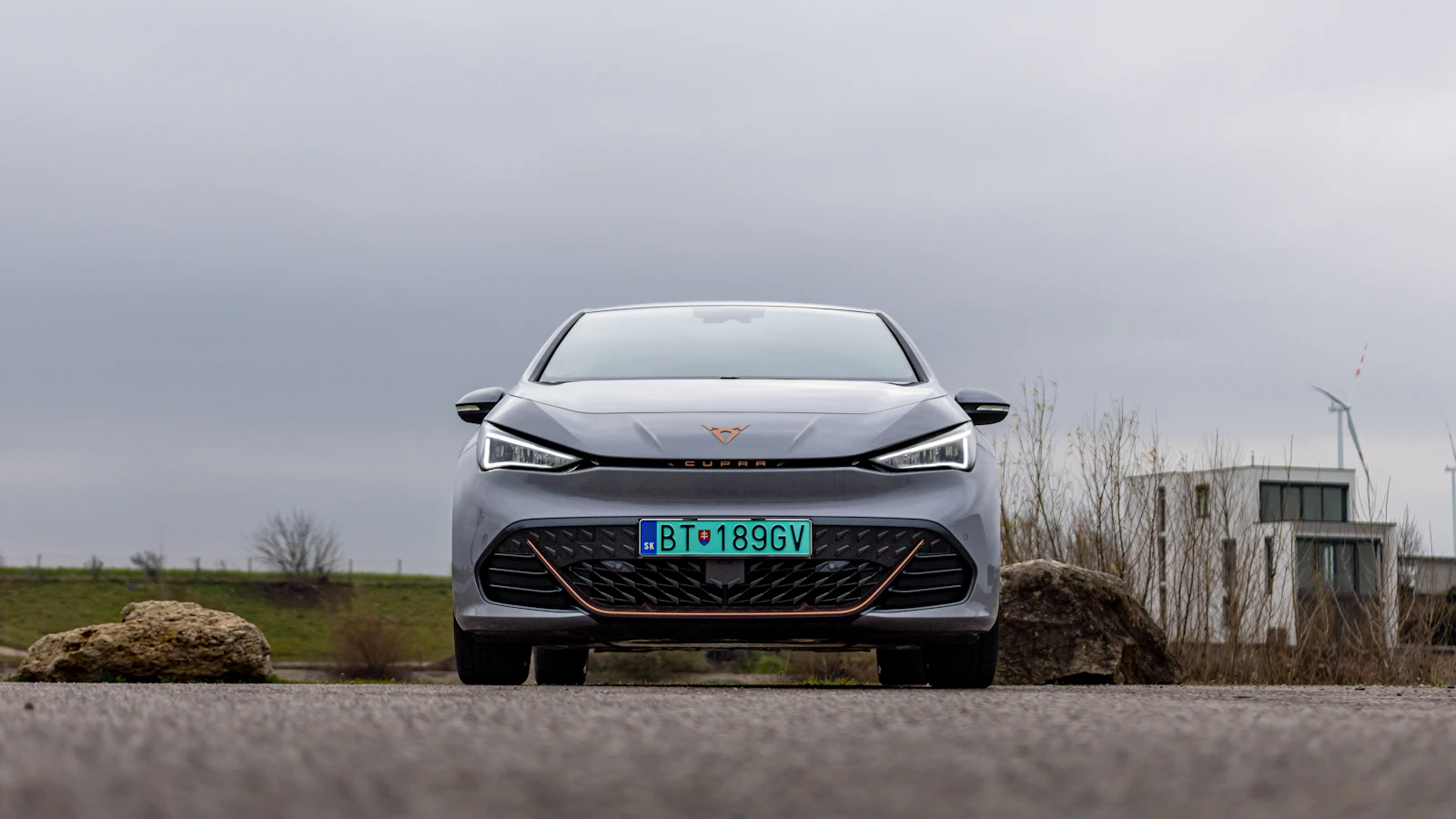

Fuel prices and traffic have made Pakistani drivers rethink their cars. Hybrids from Toyota, Honda and Chinese brands are now common on Lahore and Karachi roads, and plug in hybrids and EVs are growing fast. Here’s how the options differ.
Regular hybrids (HEV)
A petrol engine works with a small battery and electric motor. The battery charges itself through braking and the engine. You never plug in.
- Best for: city driving with lots of stop and go traffic, where hybrids save the most fuel.
- Pros: no charging needed, proven technology, strong resale.
- Cons: smaller savings on long motorway trips.
Plug in hybrids (PHEV)
A bigger battery you charge from a socket, giving a meaningful electric only range for daily driving, with a petrol engine for long journeys.
- Best for: people who can charge at home and drive moderate distances daily but travel between cities often.
- Pros: electric commuting with no range anxiety.
- Cons: if you never charge, you carry a heavy battery for nothing and fuel economy suffers.
Full electric (EV)
- Best for: city drivers with home charging, ideally with solar.
- Pros: very low running costs, smooth and quiet, minimal servicing.
- Cons: public fast charging is still limited outside big cities, and long trips need planning.
Pakistan specific concerns
- Heat: high summer temperatures are tough on batteries. Choose cars with good battery thermal management and park in shade.
- Load shedding: home charging works best with a dedicated circuit and, ideally, solar.
- After sales: buy brands with an official local presence for battery warranty support.
- Battery warranty: read the terms, especially years and kilometres covered.
Which should you choose?
Mostly city driving and no home charging: a regular hybrid. Home charging and mixed driving: a plug in hybrid. Home charging and mostly local driving: a full EV can be the cheapest to run.
Sources
- US Department of Energy, How hybrid electric cars work
- US Department of Energy, How plug in hybrids work


