Collaborate: huzaifa@mhktech.dev · WhatsApp +92 307 6417761 · Lahore, Pakistan | Log in · Register

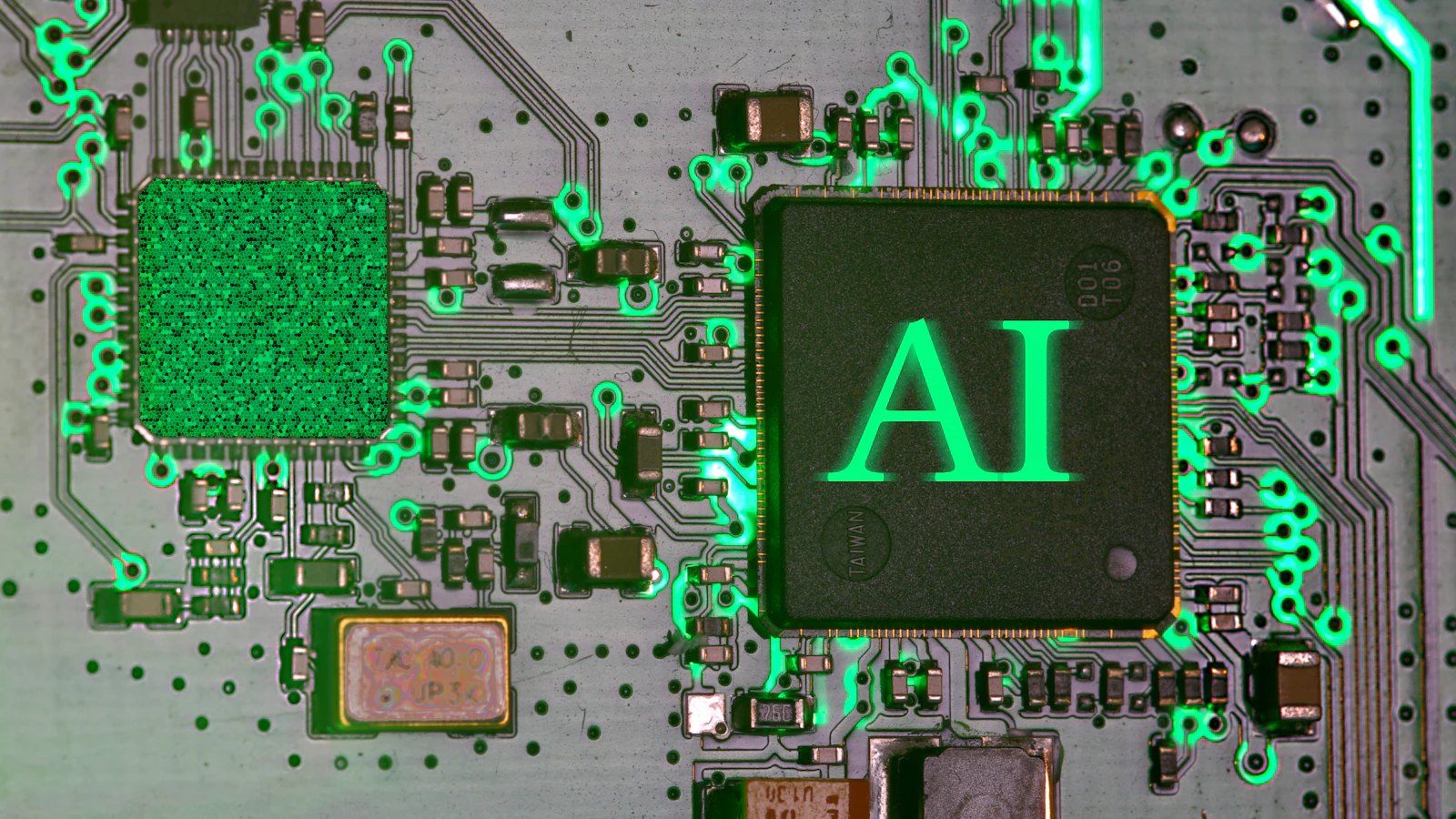

Behind every AI model sits a mountain of specialised chips. Whoever controls that hardware has enormous influence over who can build frontier AI. That’s why chips have become one of the most contested technologies on the planet.
Nvidia: the dominant player
Nvidia’s GPUs, together with its CUDA software ecosystem, became the default platform for training and running AI models. The software is as important as the silicon: years of tools and libraries make switching hard for developers.
The challengers
- AMD sells Instinct accelerators and has invested heavily in its ROCm software stack to compete.
- Google designs its own Tensor Processing Units (TPUs) and uses them to train Gemini models and to serve cloud customers.
- Amazon, Microsoft and Meta are building custom chips to reduce reliance on Nvidia and cut costs.
- Startups are exploring new designs focused on fast inference.
Who actually makes the chips
Most of these companies design chips but don’t manufacture them. Taiwan’s TSMC produces the majority of the world’s most advanced chips. Advanced packaging and high bandwidth memory, mainly from SK Hynix, Samsung and Micron, are further bottlenecks. The Dutch company ASML is the only supplier of the extreme ultraviolet lithography machines needed for the most advanced chips.
China and export controls
The United States has placed export controls on advanced AI chips and chipmaking equipment to China. In response, Chinese companies, led by Huawei with its Ascend AI chips, are building domestic alternatives, and Chinese AI labs have focused on efficiency to do more with less compute.
Europe’s position
Europe has world leading companies in the chip supply chain, such as ASML, and the EU Chips Act aims to increase manufacturing on the continent. But it has no Nvidia equivalent.
Why it matters
Compute decides who can train the biggest models, how much AI services cost, and which countries can stay independent. The AI race is, to a large degree, a chip race.
Sources
- US Bureau of Industry and Security, export control announcements
- European Commission, European Chips Act
- TSMC, company information


