Collaborate: huzaifa@mhktech.dev · WhatsApp +92 307 6417761 · Lahore, Pakistan | Log in · Register

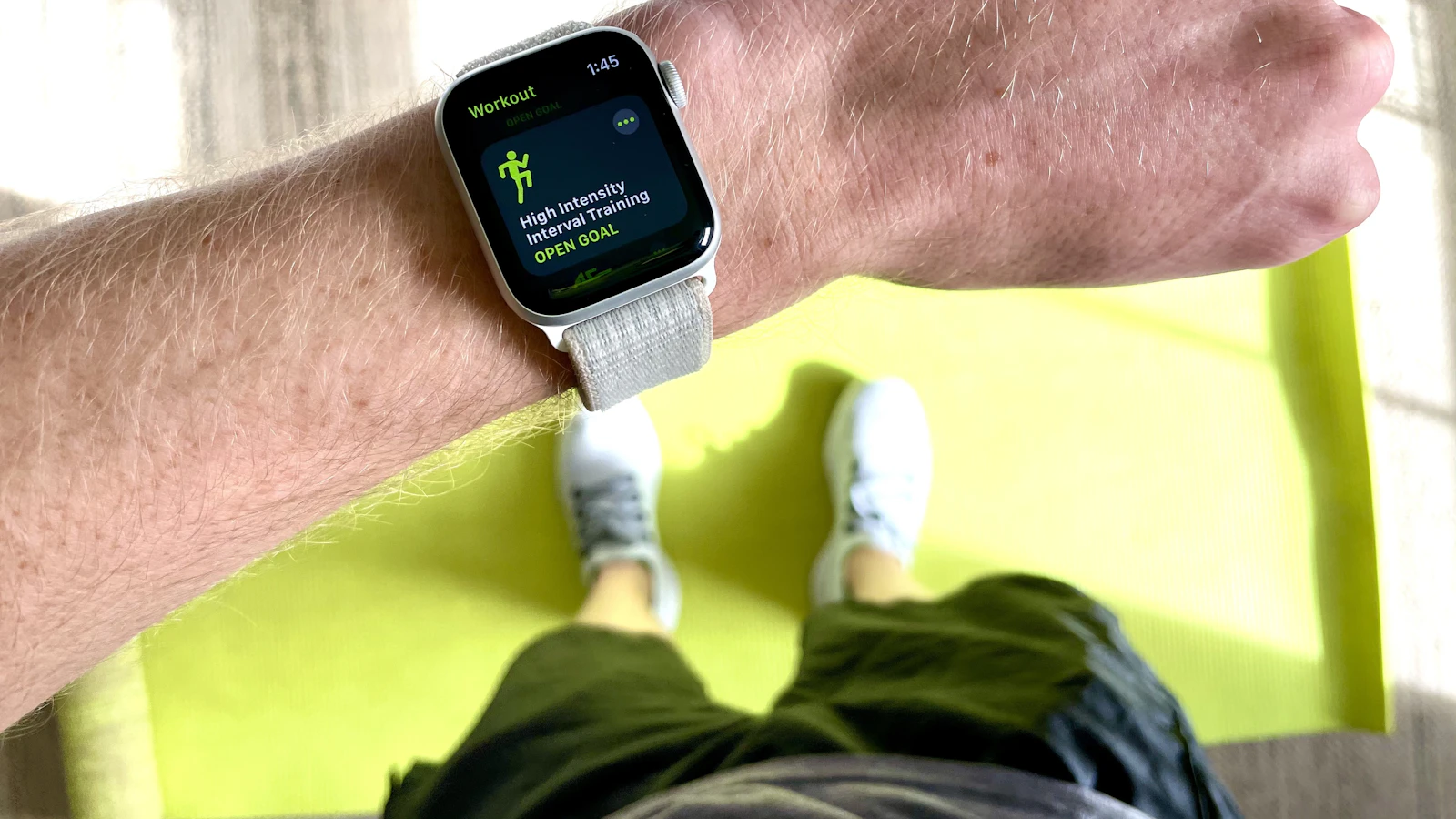

For many iPhone owners, the Apple Watch is the first gadget that actually got them moving. Closing activity rings becomes a small daily game. But as watches gain more health features, it’s worth understanding what they measure well and what they don’t.
What it does well
- Activity tracking: steps, active calories and exercise minutes give a useful picture of how active you are day to day.
- Workout tracking: running, cycling, swimming, strength training and many more, with heart rate zones and GPS on supported models.
- Heart rate: optical heart rate is generally good at rest and in steady cardio.
- Safety: fall detection, crash detection on supported models and Emergency SOS can be genuinely life saving.
- Heart health notifications: irregular rhythm notifications and the ECG app, where available, can flag signs of atrial fibrillation for you to discuss with a doctor.
Where it’s less accurate
- Calories burned: all wearables estimate energy expenditure, and estimates can be off by a large margin. Use them for trends, not exact meal planning.
- Weight training heart rate: wrist sensors can lag during short, intense efforts and when you grip a bar tightly.
- Sleep stages: useful for spotting patterns, but not as precise as a clinical sleep study.
It’s not a medical device for diagnosis
Some Apple Watch features have regulatory clearance in certain countries for specific uses, and availability varies by region. But a watch can’t diagnose a heart attack or replace a check up. If you have symptoms such as chest pain, breathlessness or fainting, seek medical care immediately, whatever your watch says.
Tips for gym users
- Wear it snugly, a finger’s width above the wrist bone, during workouts.
- Pick the right workout type so the watch uses the right algorithm.
- Pair it with a chest strap heart rate monitor if you need precise readings.
- Use trends over weeks, such as resting heart rate and recovery, rather than daily numbers.
Is it worth it?
If you use an iPhone and want help staying active, yes. The fitness tracking, safety features and tight iPhone integration are excellent. Just treat the health data as a helpful guide, not a diagnosis.
General information, not medical advice.
Sources
- Apple, Apple Watch features
- Apple, Apple Watch in healthcare


