Collaborate: huzaifa@mhktech.dev · WhatsApp +92 307 6417761 · Lahore, Pakistan | Log in · Register

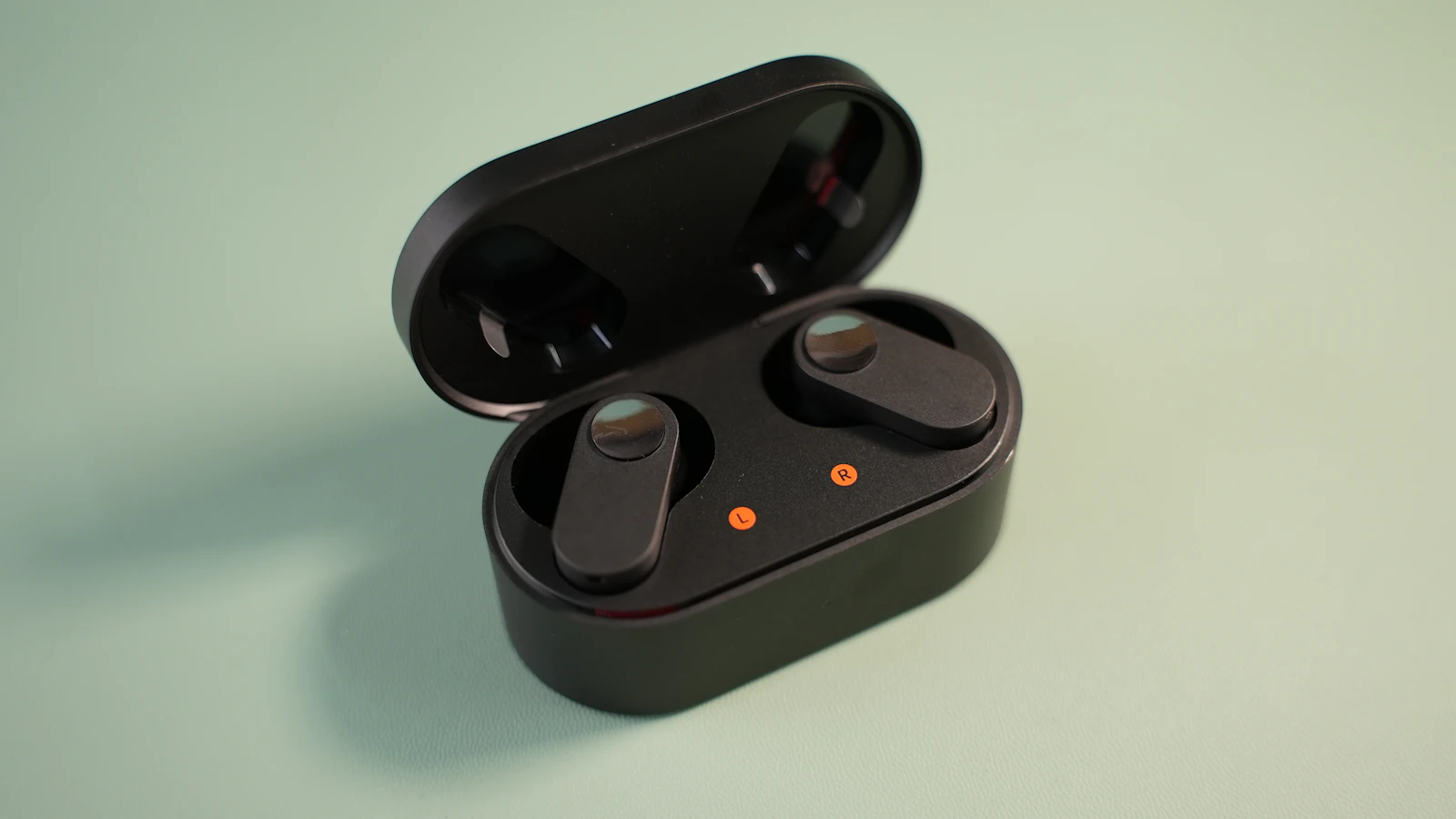

The World Health Organization estimates that over a billion young people are at risk of hearing loss because of unsafe listening practices, including loud music through personal audio devices. The damage builds up quietly and doesn’t come back. The good news is that it’s easy to prevent.
Volume and time work together
Hearing risk depends on how loud the sound is and how long you listen. The WHO and ITU safe listening standard sets a weekly sound allowance. As a reference, it suggests about 80 decibels for up to 40 hours a week for adults. Every small increase in volume sharply cuts the safe listening time.
Simple rules
- Keep the volume moderate. A common rule of thumb is to stay around 60 percent of maximum volume.
- Take breaks. Give your ears rest during long listening sessions.
- Use noise cancellation. In noisy places like buses and planes, ANC lets you hear clearly at lower volume.
- Use your phone’s tools. iPhones and many Android phones can show headphone audio levels, warn you when weekly exposure is high, and limit maximum volume.
- Protect your ears at loud events such as concerts and weddings with earplugs.
Warning signs
- Ringing or buzzing in your ears (tinnitus) after listening.
- Muffled hearing after leaving a loud place.
- Struggling to follow conversations in noisy rooms.
If these persist, see a doctor or an audiologist and get a hearing test.
Gym users, take note
Many people blast music to drown out gym noise. Noise cancelling earbuds help you train with motivating music without pushing the volume to the limit.
General information, not medical advice.
Sources
- World Health Organization, Deafness and hearing loss: safe listening
- WHO and ITU, Global standard for safe listening devices and systems


