Collaborate: huzaifa@mhktech.dev · WhatsApp +92 307 6417761 · Lahore, Pakistan | Log in · Register

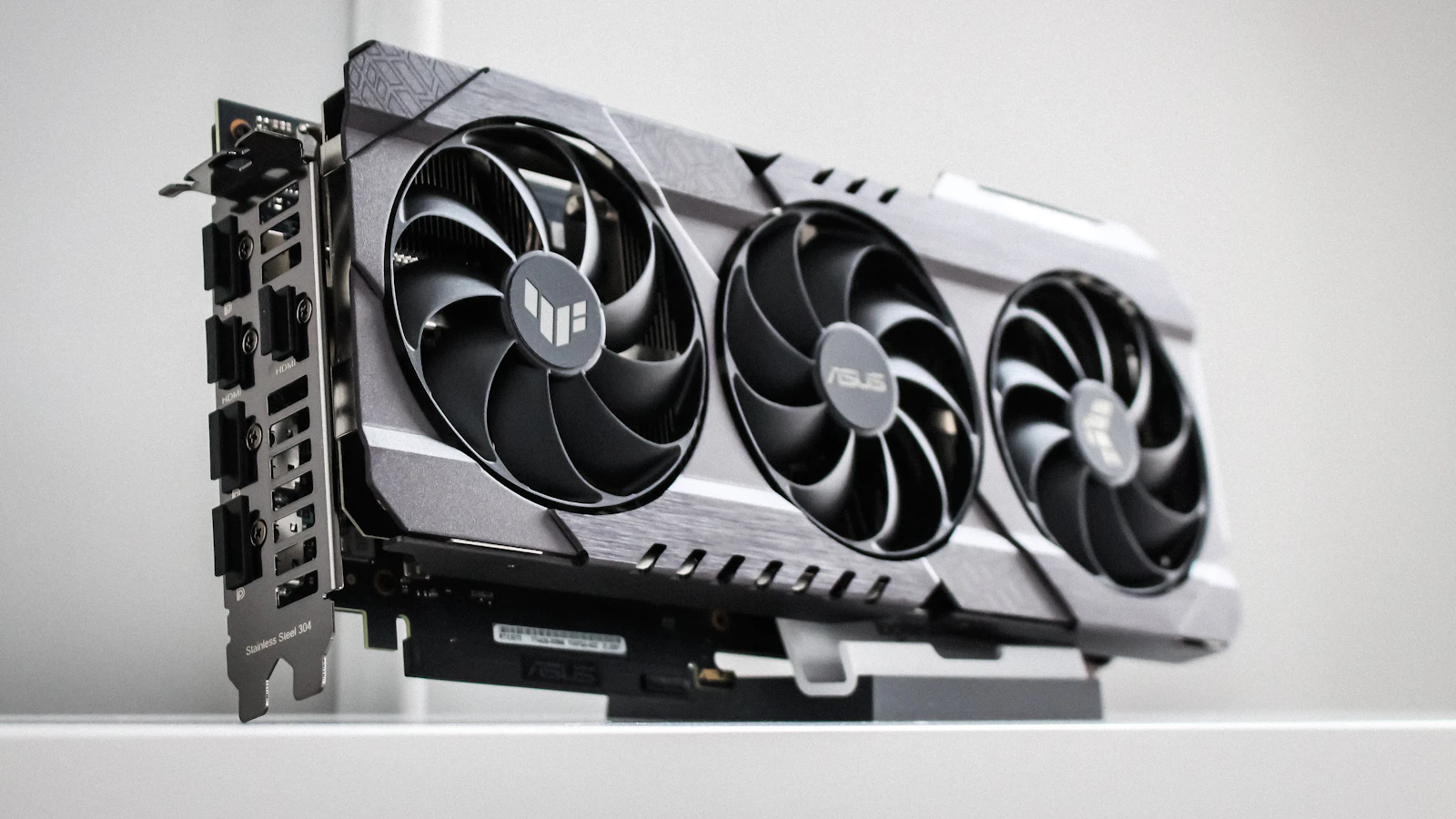

Graphics cards were built for games, but their ability to do thousands of small calculations at once made them the engine of modern AI. That doesn’t mean every machine learning student needs one in their laptop. Here’s how to decide.
When a GPU really matters
You need GPU power for training and fine tuning neural networks: image models, speech models, transformers and anything with millions of parameters. For linear regression, decision trees, gradient boosting and most of the classic machine learning syllabus, a CPU is fine.
Why VRAM is the number to watch
The model, its gradients and a batch of data all have to fit in the GPU’s own memory. If they don’t, training crashes or crawls. That’s why a GPU with more VRAM is often more useful than a slightly faster one with less. For students, 8 GB lets you learn and experiment, 12 to 16 GB opens up larger models, and anything beyond that is serious workstation territory.
The cloud options
- Google Colab: notebooks in the browser with a free tier that includes limited GPU access, plus paid plans for more.
- Kaggle Notebooks: free GPU time with a weekly quota, and tons of datasets and competitions to practise on.
- Paid cloud GPUs: AWS, Google Cloud, Azure and specialist GPU rental services let you rent powerful cards by the hour.
Local vs cloud: the trade offs
- Cost: a powerful GPU laptop is a large upfront cost. Cloud is cheap for occasional use but adds up if you train every day.
- Convenience: local hardware is always there, works offline and never disconnects your session halfway through training.
- Learning value: setting up drivers, CUDA and environments on your own machine teaches real engineering skills employers value.
- Scale: for really big models, nobody trains on a laptop. You’ll use cloud or university clusters anyway.
Our recommendation for students
Start with what you have plus free cloud notebooks. If you find yourself constantly hitting quotas or waiting for free GPUs, that’s the signal to invest in a laptop or desktop with an NVIDIA GPU. A desktop gives far more GPU per rupee than a laptop if you don’t need portability.
Sources
- Google, Colab FAQ
- Kaggle, Efficient GPU usage tips


